
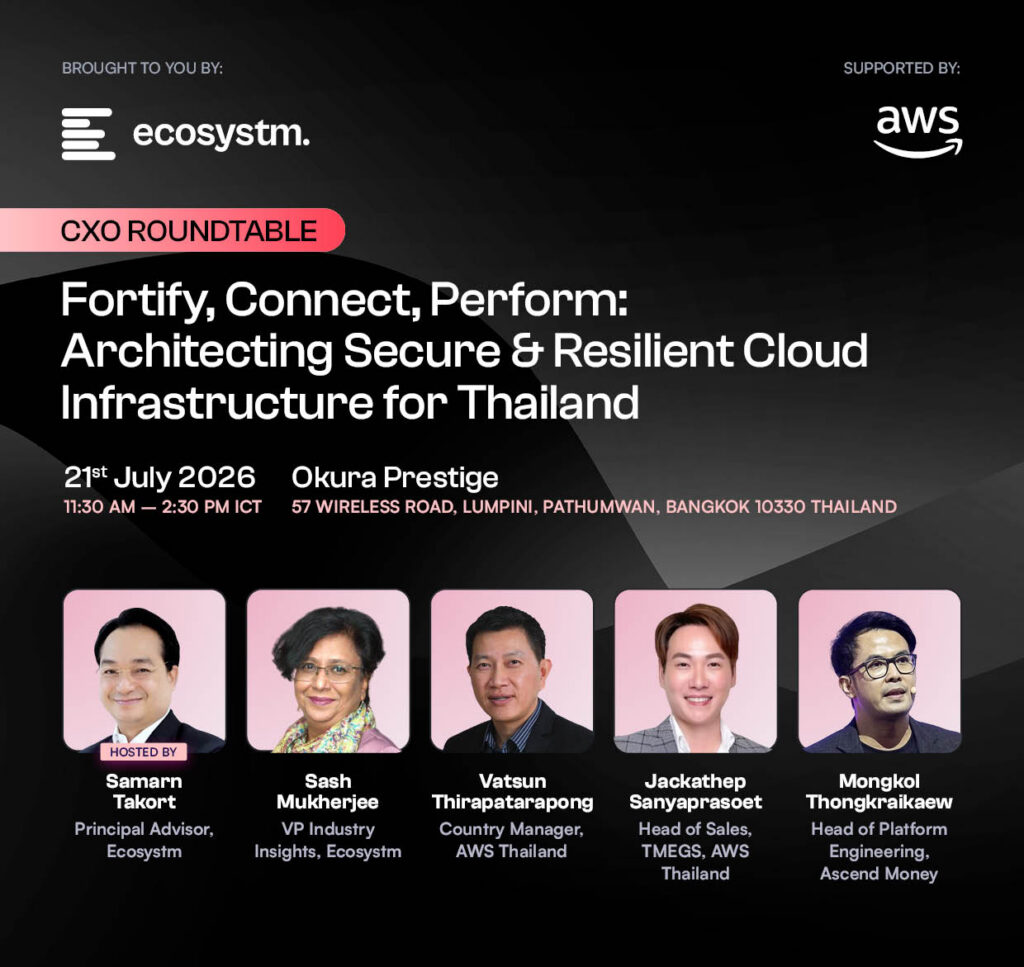
As Thailand enterprises continue to scale digital operations, the use of AI is introducing new demands on infrastructure. AI-driven workloads are increasing data movement, expanding integration points, and placing greater demands on network, compute, and storage environments.
Infrastructure leaders are now balancing three interconnected priorities: strengthening security as digital footprints expand; maintaining reliable connectivity across increasingly distributed environments; and sustaining performance as workloads become more dynamic and latency-sensitive.
These challenges are shaping practical infrastructure decisions every day – from securing sensitive traffic across hybrid environments and optimising cross-border connectivity, to ensuring applications can scale without compromising performance or cost efficiency. At the same time, organisations are rethinking traditional infrastructure models, moving away from fixed capacity toward architectures that scale in line with demand.
Ecosystm research highlights the biggest infrastructure challenges in Thailand organisations:
- Enforcing consistent security across hybrid infrastructure 55%
- Ensuring stable connectivity performance across distributed environments 53%
- Maintaining uptime & resilience as systems become more complex 40%
Rather than addressing these issues in isolation, organisations are increasingly treating security, connectivity, and performance as a single design challenge. The objective is clear: enabling Always-On operations across distributed, cloud-enabled, and increasingly cross-border environments.
Join this exclusive leaders’ roundtable to explore how infrastructure teams are strengthening resilience, improving connectivity, and sustaining performance while supporting the next phase of AI-driven growth.
Key Takeaways:
- How leading organisations are approaching security, connectivity, and performance as interconnected priorities
- Practical strategies for building resilience in distributed environments under growing AI demand
- Approaches to balancing infrastructure cost with scalability and operational flexibility
- The role of network architecture in supporting regional expansion and cross-border operations
- Peer perspectives on managing reliability, complexity, cost, and performance in Always-On environments
We look forward to bringing together senior infrastructure and security leaders from across Thailand to exchange perspectives on how these challenges are being addressed in practice, and what is working on the ground.

AWS
Amazon Web Services (AWS) represents Amazon’s cloud computing platform, enabling individuals and organizations to access essential IT resources including storage solutions, computing power, and database management via internet connectivity.

Sash Mukherjee
VP Industry Insights, Ecosystm

Khun Samarn Takort
Analyst, Ecosystm

Vatsun Thirapatarapong
Country Manager, AWS

Jackathep Sanyaprasoet
Head of Sales, TMEGS, AWS Thailand

Mongkol Thongkraikaew
Head of Platform Engineering, Ascend Money
Register for this Event
This event has already concluded.
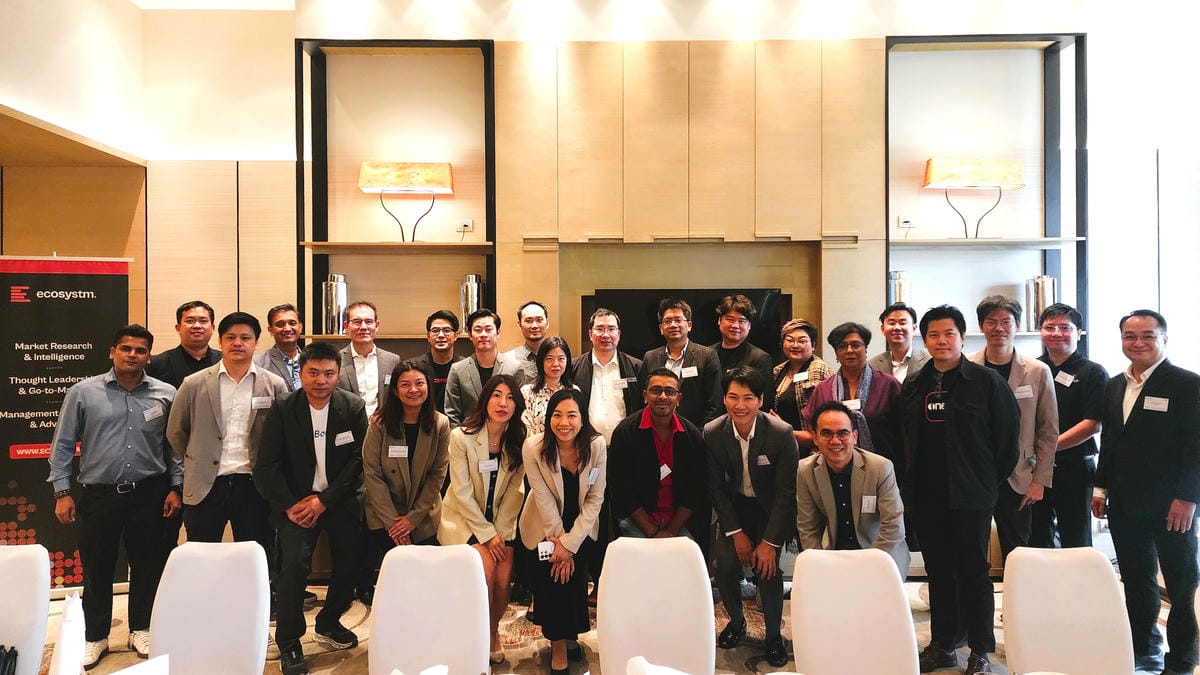
Please see below some images and key takeaways.
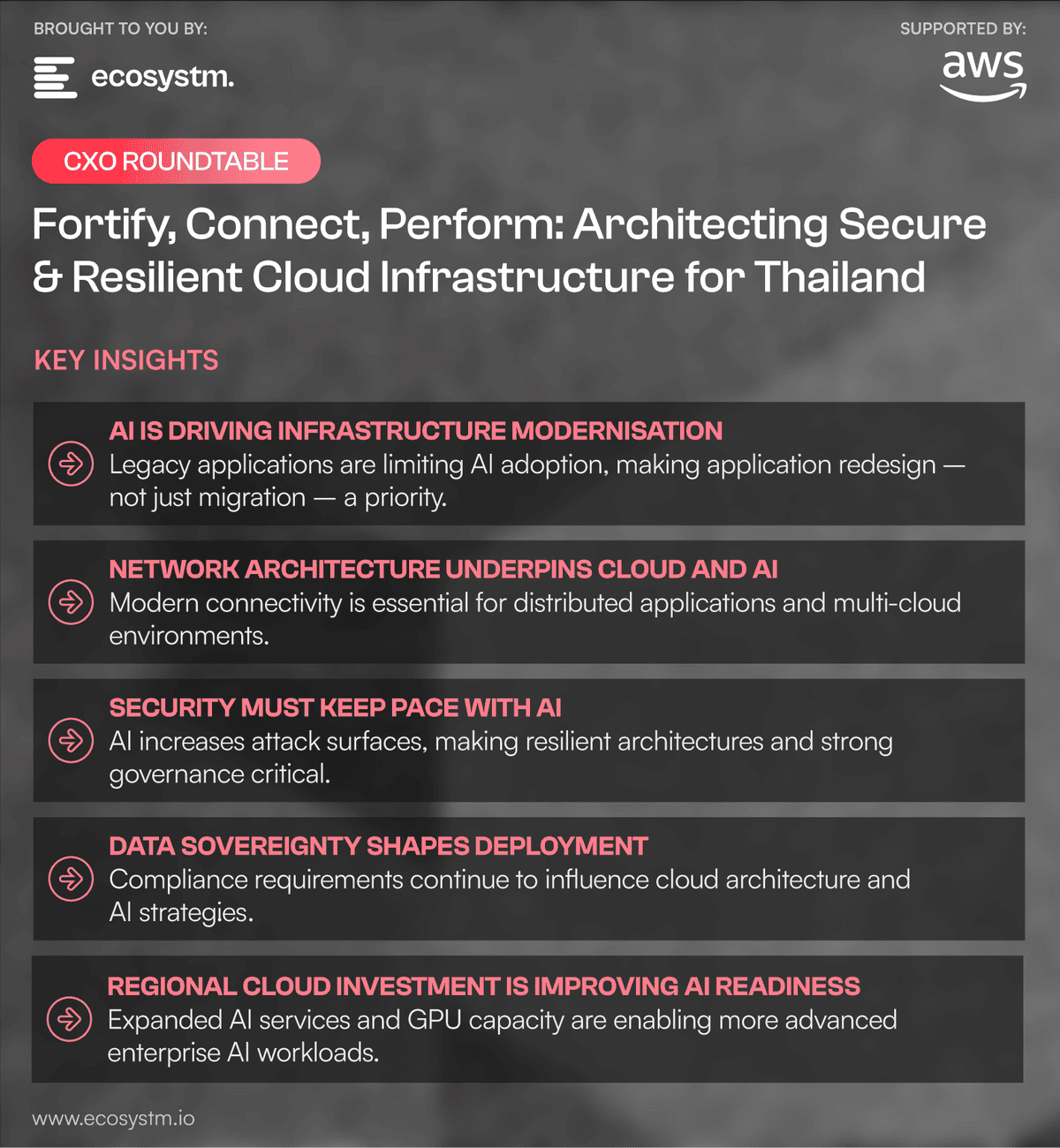


As Thailand’s enterprises accelerate AI adoption, the focus is returning to getting the foundations right. Infrastructure decisions are increasingly driven by security, resilience, connectivity, and operational simplicity – not just cost and performance.
These themes were at the centre of yesterday’s roundtable in Bangkok, moderated by Ecosystm’s Sash Mukherjee and Samarn Takort in partnership with Amazon Web Services (AWS). Senior technology leaders from some of Thailand’s largest organisations shared how they are modernising infrastructure and preparing their organisations for AI.
➤ AI is accelerating infrastructure and application modernisation. AI is delivering measurable productivity gains, particularly in software development and operations, but legacy applications remain a major constraint. Organisations recognise that application redesign – not just migration – is required.
➤ Cloud migration depends on modern network architecture. As organisations expand across multiple cloud environments and countries, networking has become foundational to AI adoption. Managing connectivity, microservices, and distributed applications is now a critical capability rather than an infrastructure afterthought.
➤ Security must evolve alongside AI. AI introduces new attack surfaces and compresses response times, requiring infrastructure and security teams to operate with greater agility. Strong governance, resilient architectures, and robust security controls remain essential, particularly in regulated industries.
➤ Data sovereignty continues to shape AI strategies. Regulatory requirements around data residency and cross-border data movement remain an important consideration, particularly for financial services, influencing both cloud architecture and AI deployment decisions.
➤ Regional cloud investment is expanding AI opportunities. Continued investment in cloud infrastructure and AI services across Thailand is improving access to GPU capacity and AI platforms, enabling organisations to deploy more advanced AI workloads while meeting local regulatory requirements.