
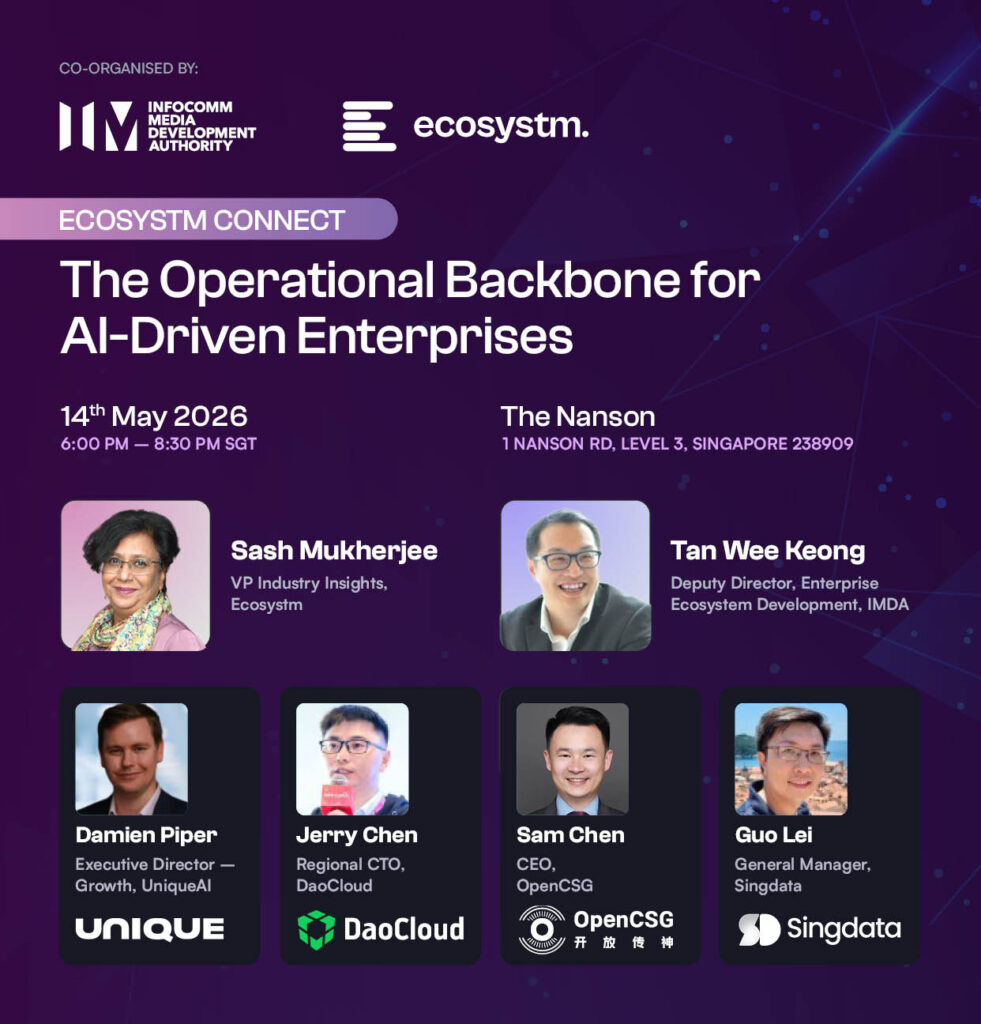
AI is top of mind for enterprise leaders, but conversations often focus on potential rather than practical realities. Many organisations still face fragmented data across hybrid and multi-cloud environments, slow and siloed development pipelines, and manual, resource-intensive middle- and back-office workflows. Without addressing these operational foundations, AI initiatives risk underdelivering on efficiency, agility, and business impact.
“ Many organisations assume AI can simply be layered on top to solve every challenge, but in reality, data, processes, and operating models often aren’t ready. We need to rethink applications, workflows, business goals, and roles, not treat AI as just another tech project.” Head of Data & Innovation, Leading Singapore Bank
Ecosystm research finds that among Singaporean organisations:
- Just 11% can move data seamlessly across hybrid and multi-cloud environments
- 56% are working to enable AI and automation through shared data and workflows
- 58% are exploring ways to enhance AI use – including agentic AI – for IT operations
The data highlights that while AI is top of mind, many organisations are still building the foundations needed to make it truly effective. From unified data and streamlined development pipelines to smarter, integrated workflows, addressing these gaps is critical to unlocking AI’s full potential across the enterprise.
We invite you to this exclusive session to have a candid, grounded discussion on how to build the operational backbone for AI-driven growth. Powered by the Infocomm Media Development Authority (IMDA) Accreditation and Spark Programmes, this is an excellent opportunity for enterprise technology and data leaders to engage in a peer-to-peer conversation on overcoming these challenges and driving AI-powered growth, fuelled by Singapore’s innovative ecosystem.
The key topics of discussion will include:
- Cloud-Agnostic Data Foundations. Unifying data processing and analytics across hybrid and multi-cloud environments to enable scalable, AI-ready operations.
- AI Lifecycle Platforms. Enabling end-to-end development, deployment, and management of AI models with full control over infrastructure, minimising vendor lock-in.
- Integrated Dev-to-Ops. Streamlining application and AI lifecycles across environments to improve agility, reliability, and speed of deployment.
- Agentic Operations. Embedding AI agents into enterprise workflows to automate complex processes while enhancing efficiency, compliance, and risk management.
Join us to discuss challenges, share insights, and explore how your organisation can build a more connected, AI-driven operational foundation to accelerate business outcomes.

IMDA
IMDA is the Infocomm Media Development Authority, a statutory board of the Singapore government that drives the nation’s digital transformation by building digital infrastructure, fostering innovation, and regulating the infocomm and media sectors. It acts as an economic developer, regulator, and social leveller to build Singapore into a global digital metropolis. Key functions include promoting data protection through the Personal Data Protection Commission (PDPC), developing a skilled digital workforce, and ensuring a trusted digital ecosystem.

Sash Mukherjee
VP Industry Insights, Ecosystm

Tan Wee Keong
Deputy Director, Enterprise Ecosystem Development, IMDA
This event has already concluded.
Please see below some images and key takeaways.
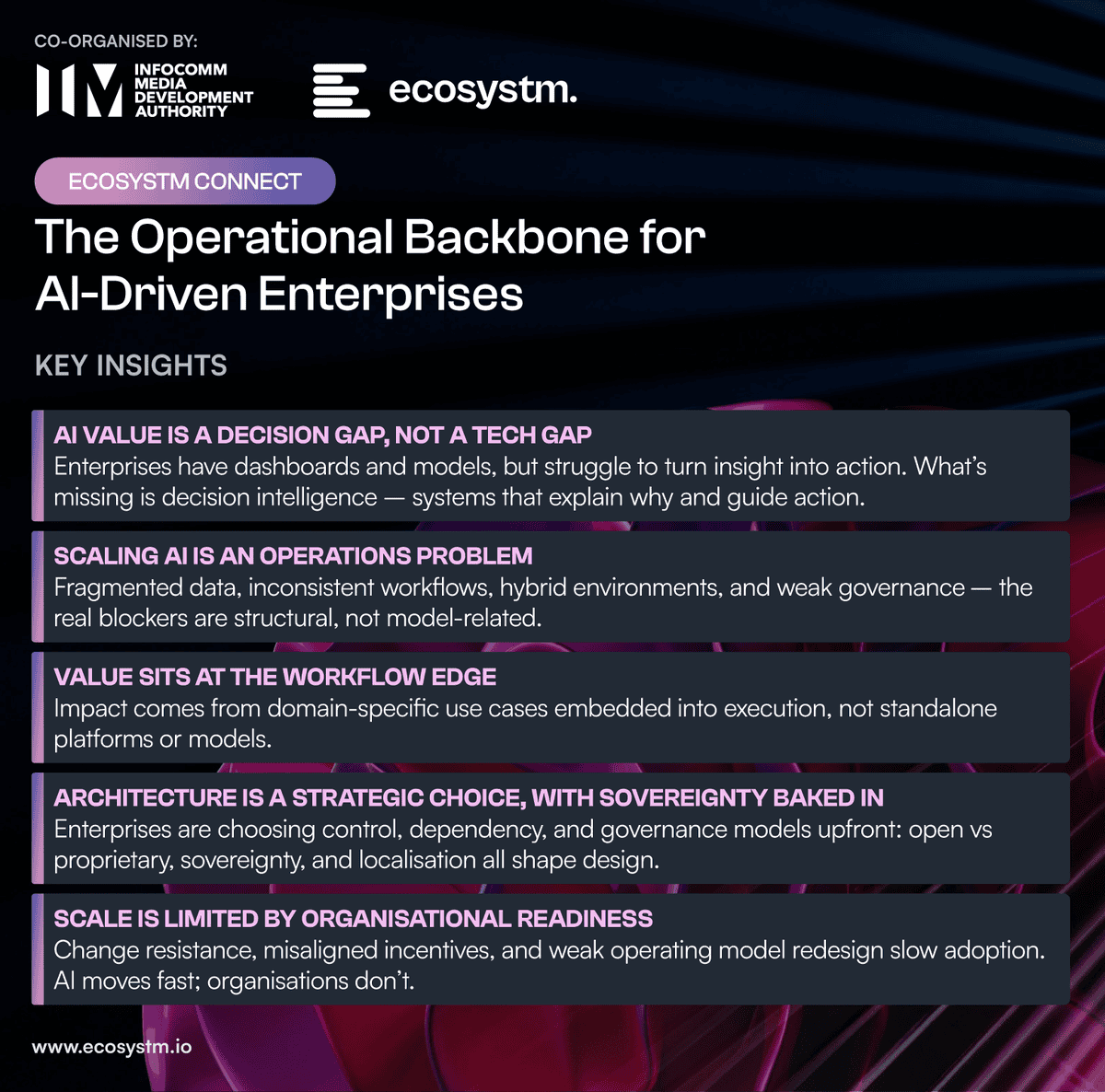
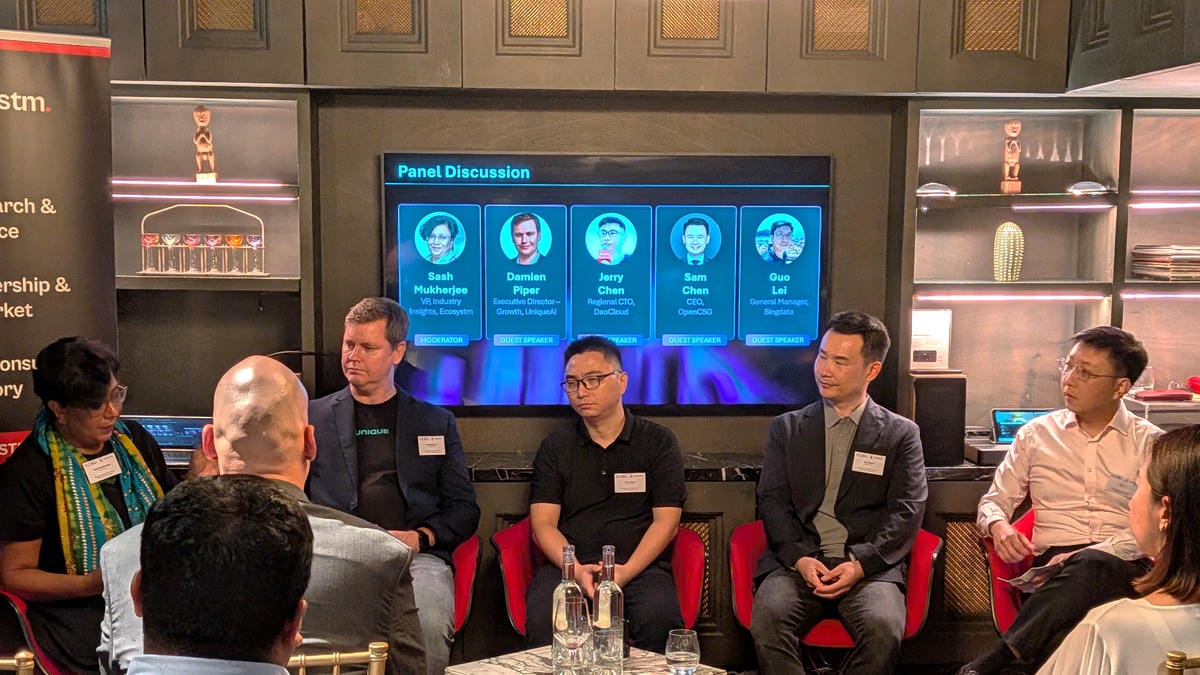
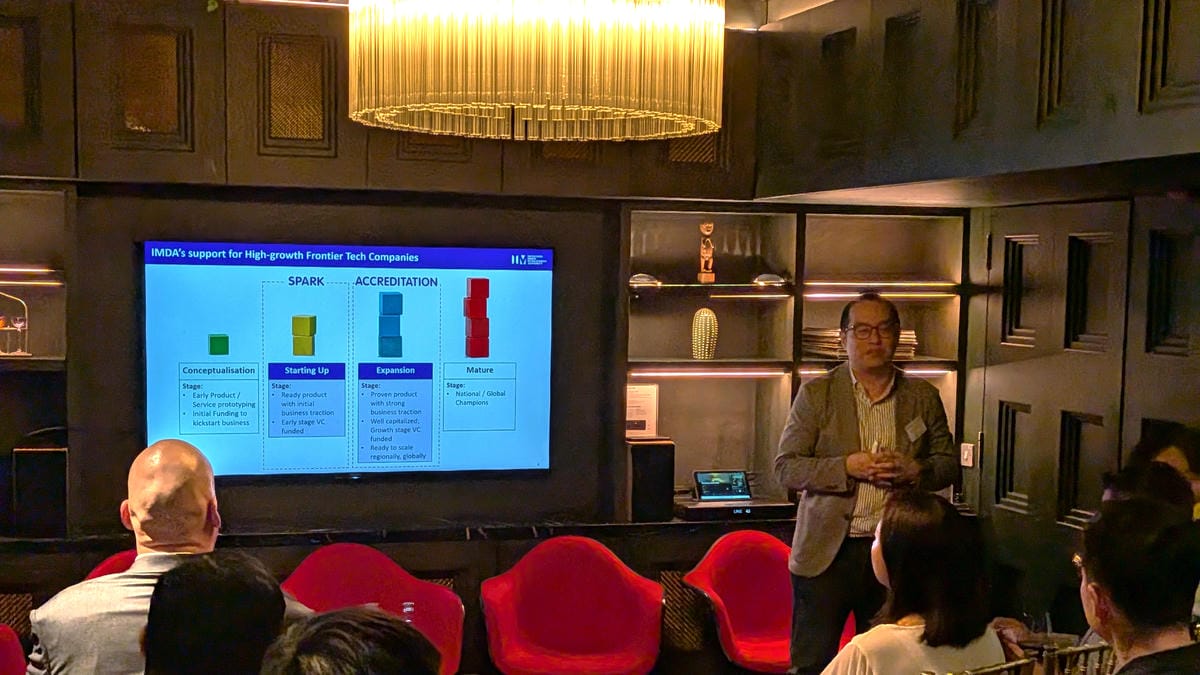
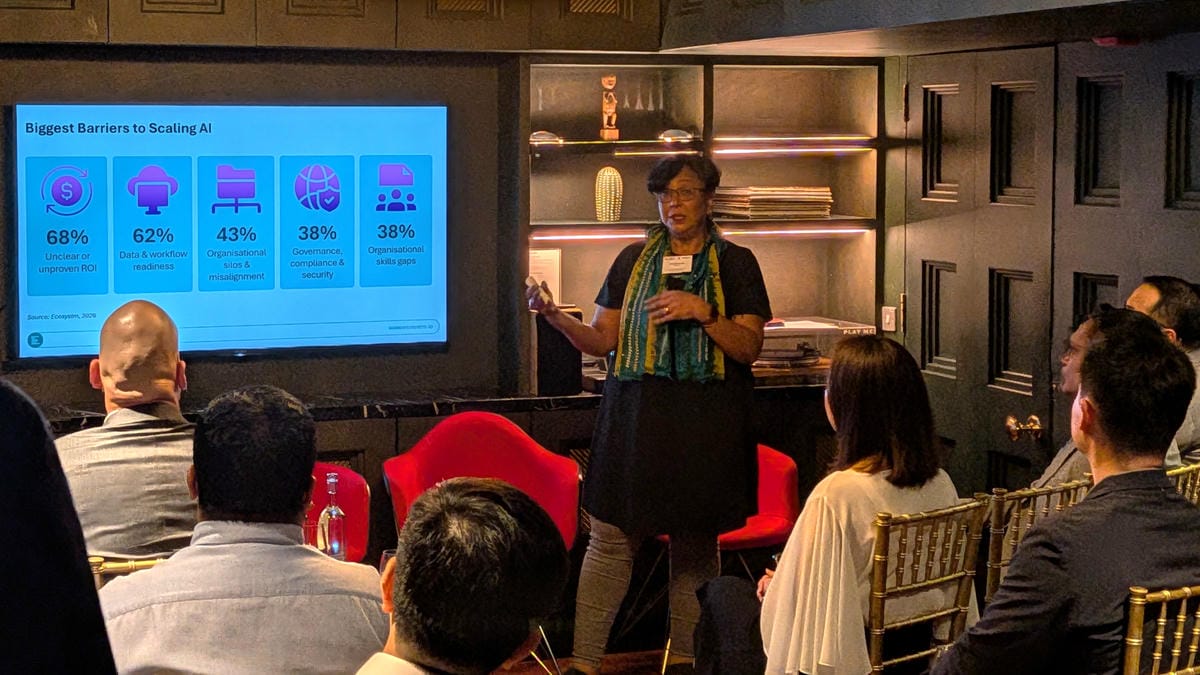
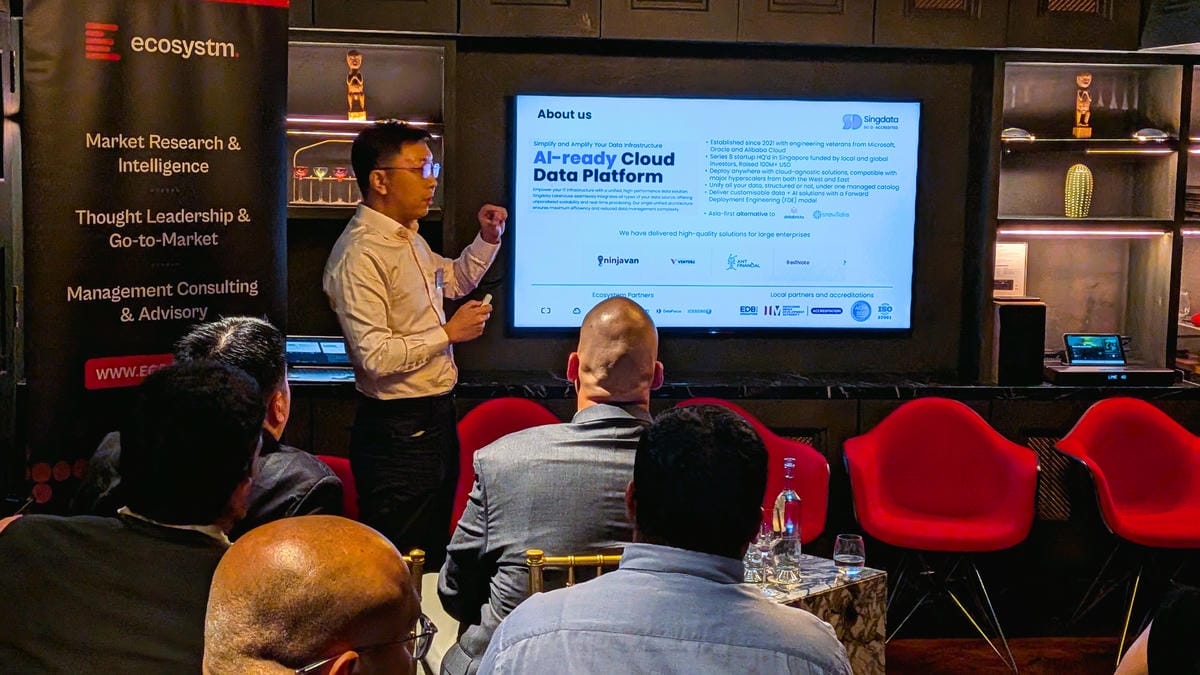
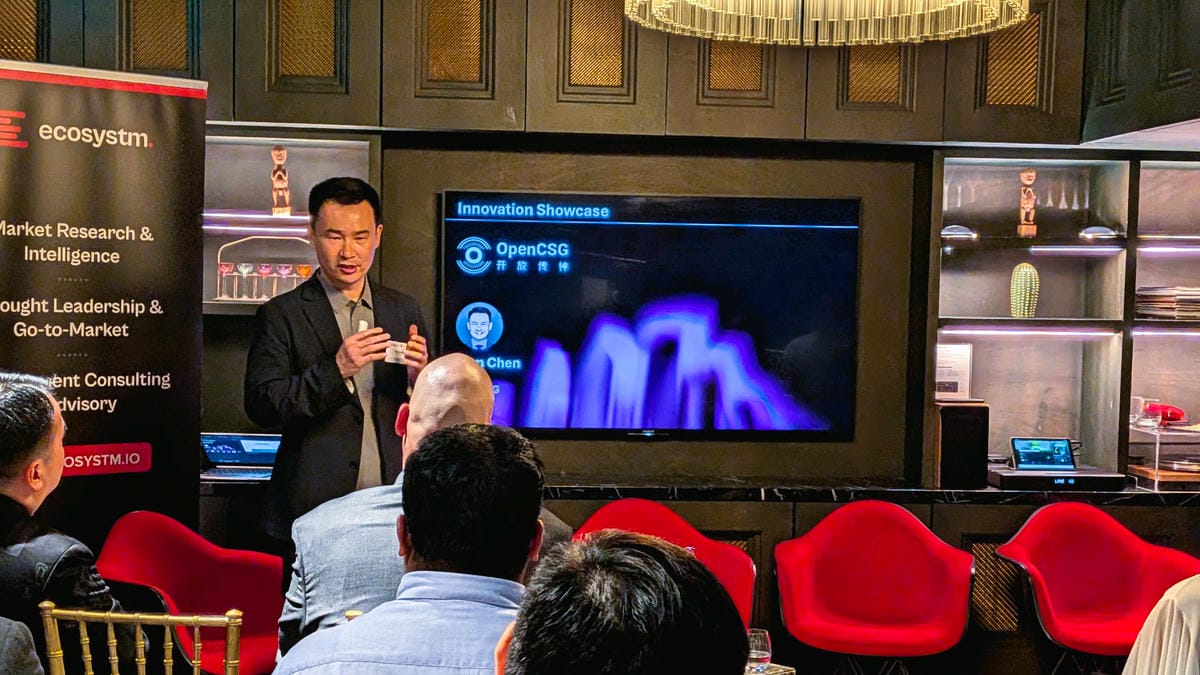
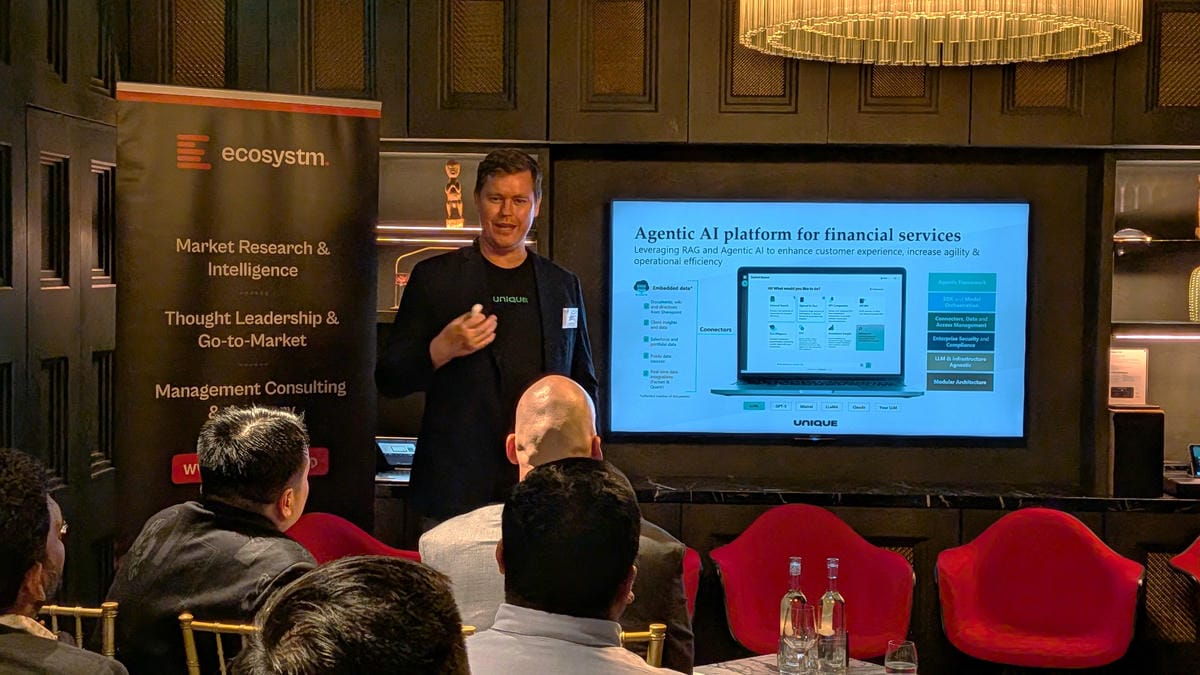
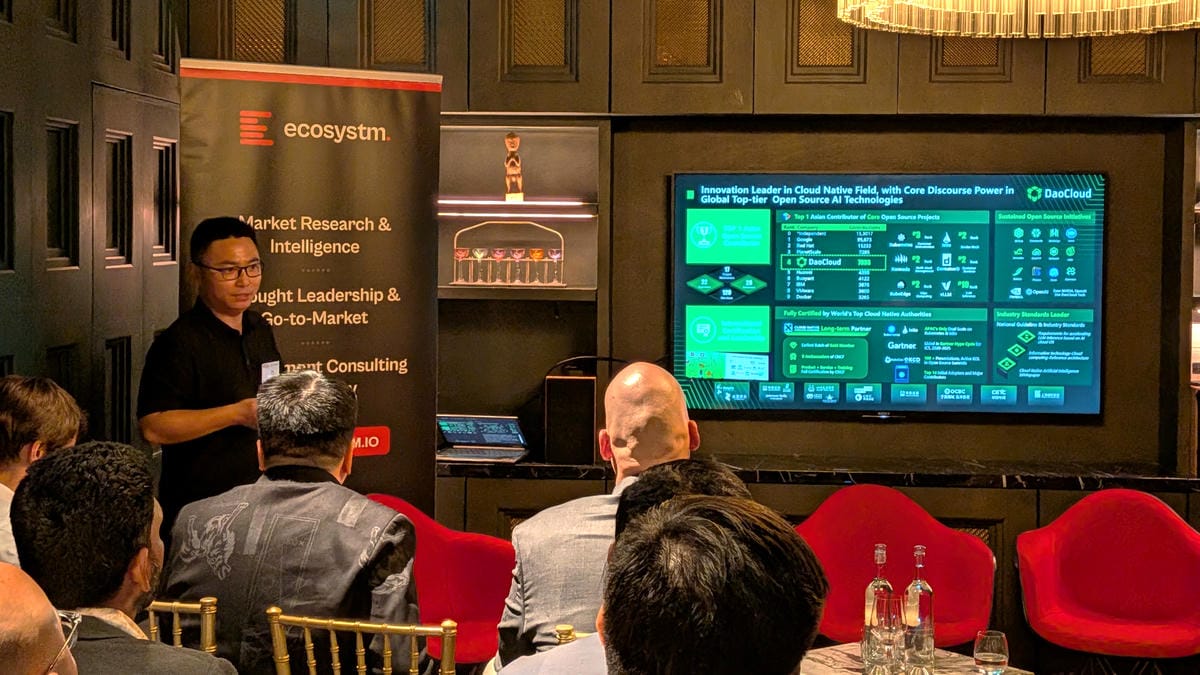
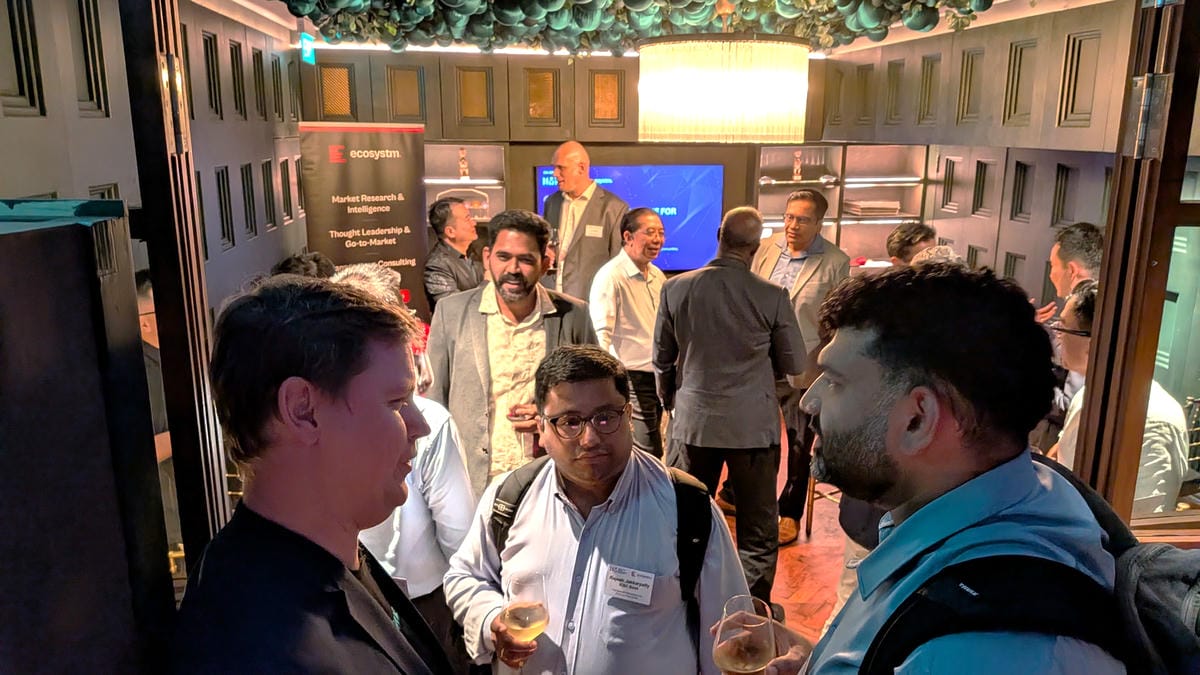
At Ecosystm Connect discussion, moderated by Ecosystm VP Industry Insights Sash Mukherjee, in collaboration with IMDA, we showcased some of these innovations.
- AI value is not a technology problem; it’s a decision intelligence gap. Most enterprises have dashboards, models, and data pipelines, but still struggle to turn insight into action. The missing layer is decision intelligence; systems that explain why things happen and support better decisions.
- Scaling AI requires operational foundations, not just platform ambition. Key blockers include fragmented data, inconsistent workflows, hybrid environments, and weak governance alignment. These are system issues, not model issues.
- AI value is increasingly realised at the “workflow edge,” not the model layer. Early wins come from domain-specific use cases embedded directly into workflows. Value is created through execution, not standalone tools.
- AI architecture choices are becoming strategic, with sovereignty as a constraint. Enterprises are deciding on control models, dependencies, and governance structures. Open vs proprietary stacks, data sovereignty, and localisation are now shaping design choices.
- The biggest barrier to AI scale is organisational readiness. Even when technology works, adoption slows due to change resistance, misaligned incentives, and limited focus on change management. AI moves fast; organisations don’t.
Register for this Event