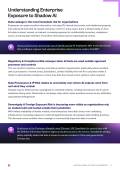
Shadow AI has emerged as a natural by-product of enterprise AI adoption, as employees use AI tools outside approved platforms to improve speed and productivity. This use now spans browser tools, embedded SaaS features, APIs, and automation workflows, creating a layer of activity that often sits outside formal IT and security visibility.
The risk has gone beyond individual tool use. Shadow AI is being embedded into systems and workflows, where data moves through scripts, integrations, and agentic processes. This shifts the challenge from managing tools to governing continuous, machine-driven interactions across fragmented environments.
The report, authored by Ecosystm analysts, Darian Bird and Sash Mukherjee explores these risks, the exposure they create across data, compliance, and sovereignty, and how organisations are starting to respond through governance and enablement rather than restriction alone.









Get the full report in downloadable form for easier reading.
What is Shadow AI?
Shadow AI refers to the use of AI tools, models, or AI-enabled features within an organisation without formal approval, governance, or visibility from IT and security teams.
Why is Shadow AI becoming a concern for organisations?
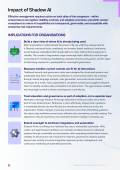
AI tools are easy to access and increasingly embedded into everyday workflows. Employees often use them to improve productivity, but this can expose sensitive data, create compliance risks, and reduce visibility into how information is processed and shared.
How is Shadow AI different from Shadow IT?
Shadow IT was largely about unauthorised software or devices. Shadow AI extends into prompts, APIs, automation, embedded SaaS features, and agentic workflows, making the risks more dynamic and harder to monitor.
What are the biggest risks of Shadow AI?
Key risks include data leakage, regulatory and compliance exposure, intellectual property concerns, lack of data provenance, sovereignty risks, and autonomous AI actions operating outside approved controls.
Why are existing security controls struggling with AI?
Most traditional security tools were designed for structured systems and predictable data flows. AI interactions involve unstructured prompts, generated content, and machine-to-machine workflows that are harder to interpret and govern.
Which AI tools are associated with Shadow AI?
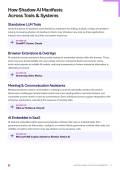
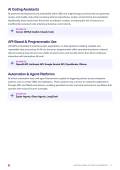
Common examples include standalone GenAI assistants, browser extensions, AI meeting assistants, coding copilots, embedded SaaS AI features, API-based model access, and automation agents.
How does Shadow AI create data leakage risks?
Employees may unintentionally upload sensitive information such as internal documents, source code, customer data, or intellectual property into external AI systems without understanding how the data is stored, reused, or retained.
What is the difference between sanctioned AI and Shadow AI?
Sanctioned AI operates within approved governance, security, and monitoring frameworks. Shadow AI operates outside formal visibility or policy enforcement, even when employees use it for legitimate work purposes.
Why are APIs and automation increasing Shadow AI risk?
AI is increasingly embedded into scripts, workflows, and automation systems. This creates continuous machine-to-machine data flows that can process or move information without direct human oversight.
What is agentic AI risk?
Agentic AI risk emerges when AI systems can take actions autonomously, such as triggering workflows, accessing systems, or moving data, without sufficient guardrails, monitoring, or accountability.
How should organisations manage Shadow AI?
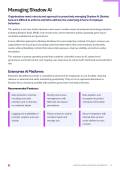
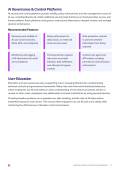
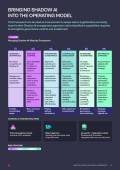
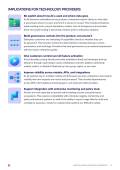
Most organisations are moving away from blanket bans towards controlled enablement. This includes approved enterprise AI environments, governance controls, monitoring, policy enforcement, and user education.
How are SaaS vendors contributing to Shadow AI?
Many SaaS providers are rapidly embedding AI features into existing platforms, sometimes faster than enterprises can assess or govern them, creating new visibility and policy challenges.
Why is sovereignty becoming part of the Shadow AI discussion?
Many AI models and services are hosted outside local jurisdictions. This raises concerns around data residency, foreign legal exposure, operational control, and transparency over how enterprise data is handled.